Ever caught yourself wondering whether Avatar: The Last Airbender is an anime or a cartoon? You’re not alone. The debate has fueled countless online arguments — and honestly, the answer is more nuanced than most people think.
Whether you’re a casual viewer or a die-hard otaku, understanding the difference between anime and cartoons can completely change how you appreciate both art forms. Let’s break it all down.
Related: History of Japanese animation
What Is Anime?
Anime (pronounced ah-nee-may) refers to a style of animated content that originated in Japan. The word itself is simply the Japanese abbreviation of “animation” — meaning in Japan, all animation is technically “anime.”
However, in the global context, anime refers specifically to:
- Animation produced in Japan, or
- Animation that closely follows Japanese visual and storytelling conventions
Key Characteristics of Anime
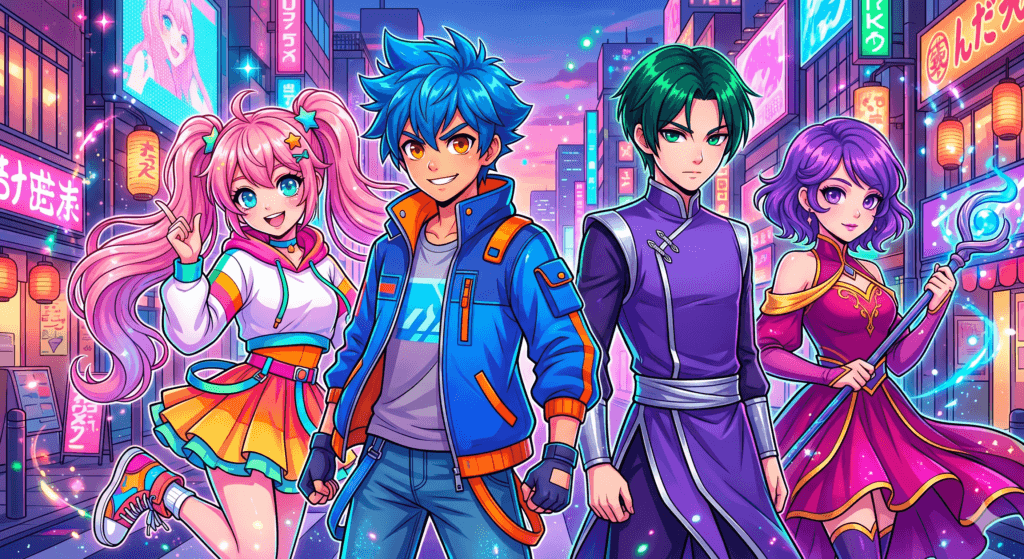
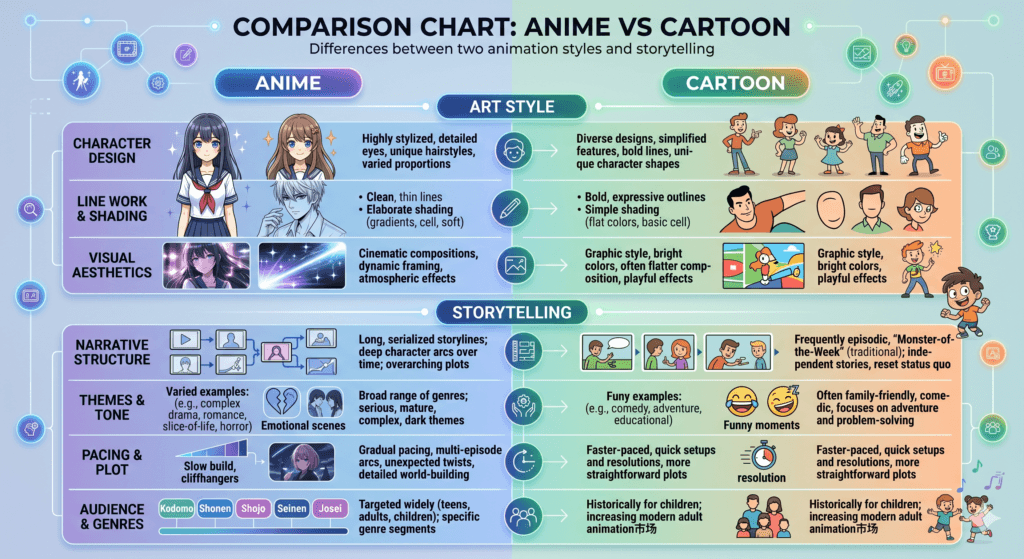
- Distinct visual style — large expressive eyes, sharp facial features, vivid hair colors
- Emotionally complex storylines — often exploring themes like loss, identity, war, and morality
- Wide demographic range — content is categorized for children (kodomomuke), teens (shonen/shojo), and adults (seinen/josei)
- Serialized storytelling — most anime follow manga source material with continuous plot arcs
- Cultural depth — deeply rooted in Japanese culture, mythology, and social themes
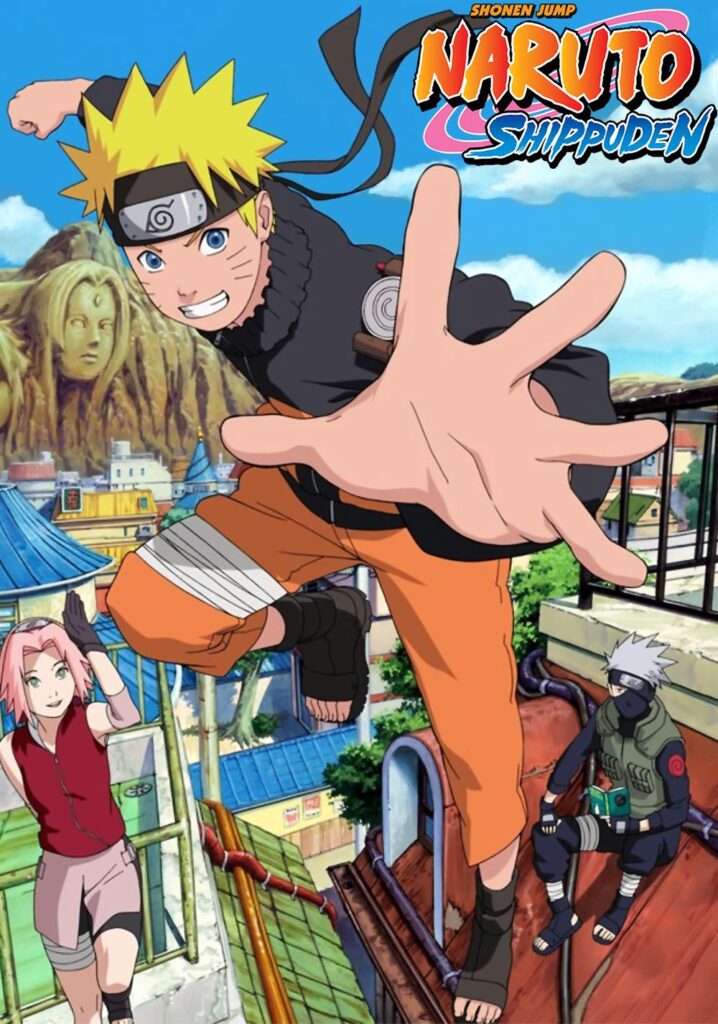
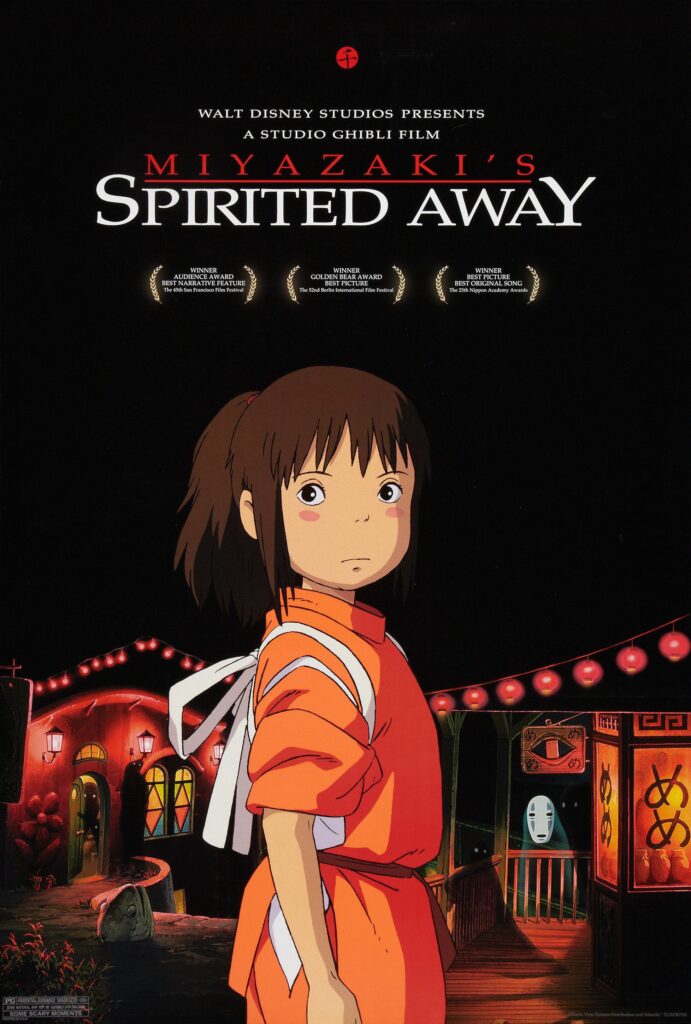
Popular Examples: Naruto, Attack on Titan, Dragon Ball Z, Spirited Away, Death Note
Related : What is Manga
What Is a Cartoon?
The term “cartoon” broadly refers to any animated content, but in modern usage it typically describes Western-produced animation — primarily from the United States and Europe.
Cartoons have been a staple of popular culture since the early 20th century, beginning with silent animation and evolving into the colorful, fast-paced shows we know today.
Key Characteristics of Cartoons
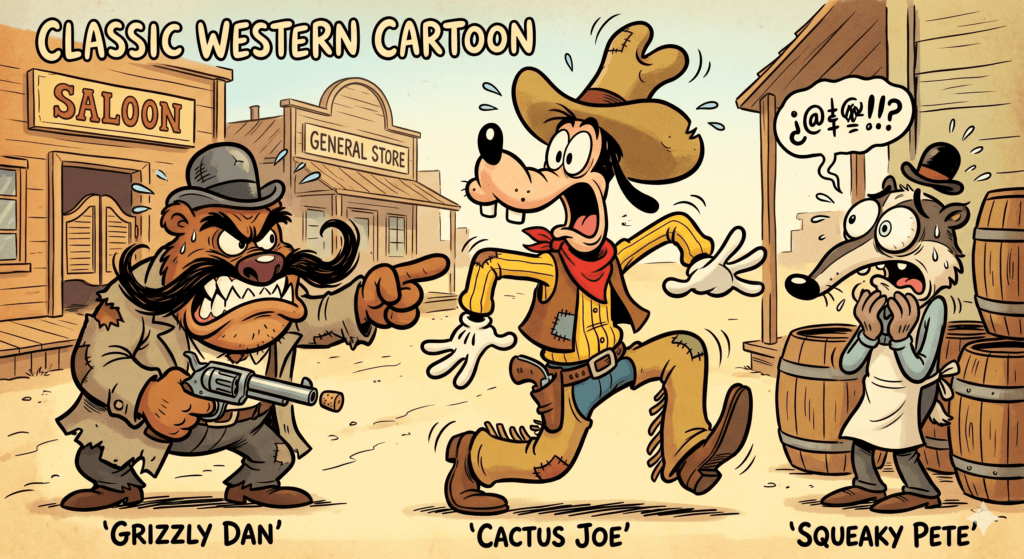
- Simplified, exaggerated art style — rounded shapes, bold outlines, elastic expressions
- Primarily comedic or episodic — most Western cartoons reset at the end of each episode
- Family or child-friendly focus — though adult cartoons like South Park and The Simpsons are major exceptions
- Less narrative continuity — characters rarely experience permanent change or growth
- Western cultural references — humor, settings, and values reflect American or European perspectives
Popular Examples: Tom & Jerry, SpongeBob SquarePants, Looney Tunes, The Simpsons, Gravity Falls
Anime vs Cartoon: Side-by-Side Comparison
| Feature | Anime | Cartoon |
|---|---|---|
| Origin | Japan | USA / Europe (Western) |
| Art Style | Detailed, expressive, realistic proportions | Simplified, exaggerated, rubbery |
| Target Audience | All ages with specific demographic categories | Primarily children (with adult exceptions) |
| Storytelling | Serialized, continuous narrative arcs | Episodic, often self-contained |
| Themes | Complex — death, trauma, philosophy, romance | Lighter — humor, adventure, morality |
| Character Development | Deep, evolving character arcs | Minimal to none in most cases |
| Cultural Roots | Japanese culture, mythology, social norms | Western (American/European) culture |
| Episode Length | Typically 20–24 minutes | Varies widely (7–30 minutes) |
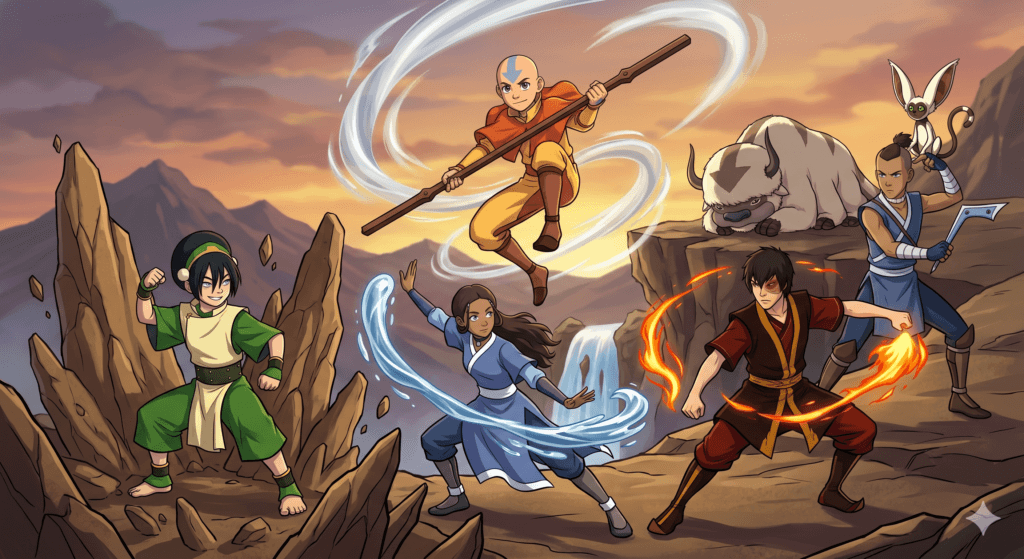
The Big Debate: Is Avatar: The Last Airbender an Anime?
This is arguably the most famous argument in animation fandom — and it deserves a proper answer.
The Case FOR Avatar Being Anime
- Heavily inspired by Japanese anime aesthetics
- Uses serialized storytelling with real character growth
- Explores mature themes like genocide, trauma, and redemption
- Visual style closely mirrors anime conventions
The Case AGAINST Avatar Being Anime
- Produced by Nickelodeon — an American studio
- Created by American writers and directors
- Not based on any Japanese manga source material
The Verdict
By the strictest definition, Avatar is not anime — it’s an anime-influenced Western cartoon, often called an “animesque” production. It borrows the soul of anime but was born in the West.
Why Does the Difference Actually Matter?
1. Cultural Context Changes the Story
Anime is deeply tied to Japanese storytelling traditions. Understanding that context makes you appreciate why a character commits to a life-or-death decision, or why honor and sacrifice are recurring themes.
2. The Target Audience Is Different
A label like shonen or josei immediately tells you who a show is made for and what kind of content to expect. Cartoons rarely carry this kind of structured demographic labeling.
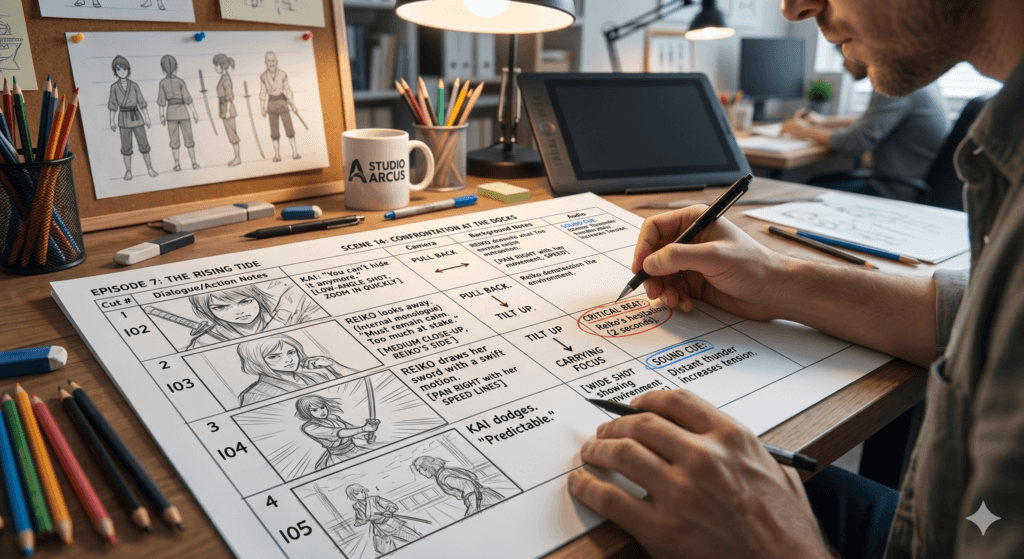
3. Production Pipelines Are Different
Anime studios like Toei Animation or MAPPA operate on uniquely tight schedules and budgets — which ironically contributes to the raw, emotional art style fans love. Western animation studios operate under entirely different production models.
4. Narrative Depth Varies Significantly
Anime like Fullmetal Alchemist: Brotherhood or Neon Genesis Evangelion are designed to be consumed as a complete story. Most traditional cartoons aren’t built with that kind of intentional narrative architecture.
Related : Osamu Tezuka — Father of Anime
Can a Cartoon Become an Anime? (And Vice Versa?)
Not exactly — but the lines are increasingly blurring.
Shows like:
- Castlevania (Netflix) — American-produced but anime-style; widely accepted as “anime” by fans
- RWBY — American web series with heavy anime influence
- Teen Titans — co-produced with Japanese studios, heavily anime-inspired
…exist in a fascinating grey zone that traditional definitions struggle to contain.
The honest answer? The distinction is cultural and geographic at its core — but the creative overlap is only growing.
Frequently Asked Questions
Is anime just Japanese cartoons?
Technically yes — in Japan, “anime” means all animation. But globally, anime refers specifically to Japanese-style animated content with distinct visual and narrative characteristics.
Are all animes based on manga?
No. While many popular anime are adapted from manga, many originals exist — Code Geass and Darling in the FranXX were original anime productions.
Can adults watch cartoons?
Absolutely. Shows like BoJack Horseman, Archer, and Rick and Morty are cartoons made exclusively for adult audiences.
Why do anime characters have big eyes?
This artistic choice traces back to pioneer animator Osamu Tezuka, who was inspired by early Disney characters. Large eyes allow for greater emotional expression — a cornerstone of anime storytelling.
Is Studio Ghibli anime?
Yes. Studio Ghibli is a Japanese animation studio, making films like Spirited Away and My Neighbor Totoro — these are definitively anime, even though their style differs from mainstream TV anime.
Final Verdict: Anime vs Cartoon
Both anime and cartoons are powerful, legitimate art forms — they simply evolved from different cultures with different storytelling priorities.
| Anime | Cartoon | |
|---|---|---|
| Best For | Deep stories, emotional journeys, cultural exploration | Quick entertainment, humor, family viewing |
| Commitment Level | High (serialized arcs) | Low (episodic, drop-in viewing) |
| Cultural Learning | Japanese society & values | Western pop culture |
Neither is superior. Both have produced timeless masterpieces. The real winner? Anyone who enjoys both without gatekeeping.