Disclosure: this post may contain affiliate links; AditsBlogs may earn a commission at no extra cost to you.
Editorial note: This is a research-based critical analysis, not a claim of a new personal screening. Film details and described sequences are grounded in BFI and Criterion sources. Interpretation is our editorial reading of that evidence.
The film and the question
Modern Times is a 1936 American film written and directed by Charles Chaplin, with Paulette Goddard and Henry Bergman among its cast. BFI and Criterion list an 87-minute running time. Its industrial setting offers a useful question: what happens when human movement is expected to obey a machine’s rhythm?
Physical comedy gives an abstract problem a body
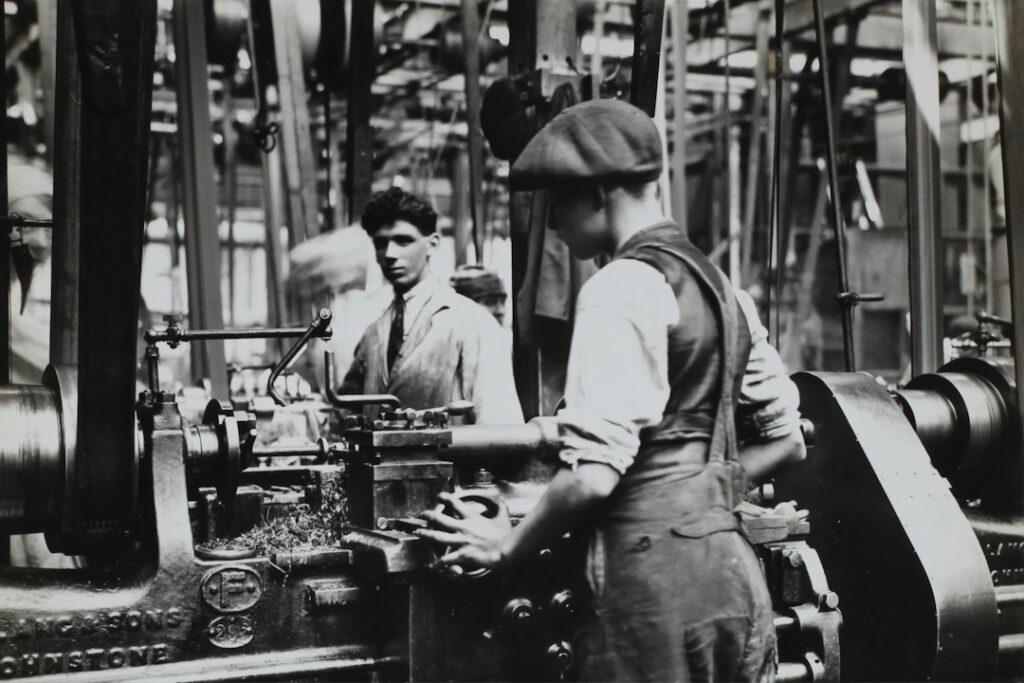
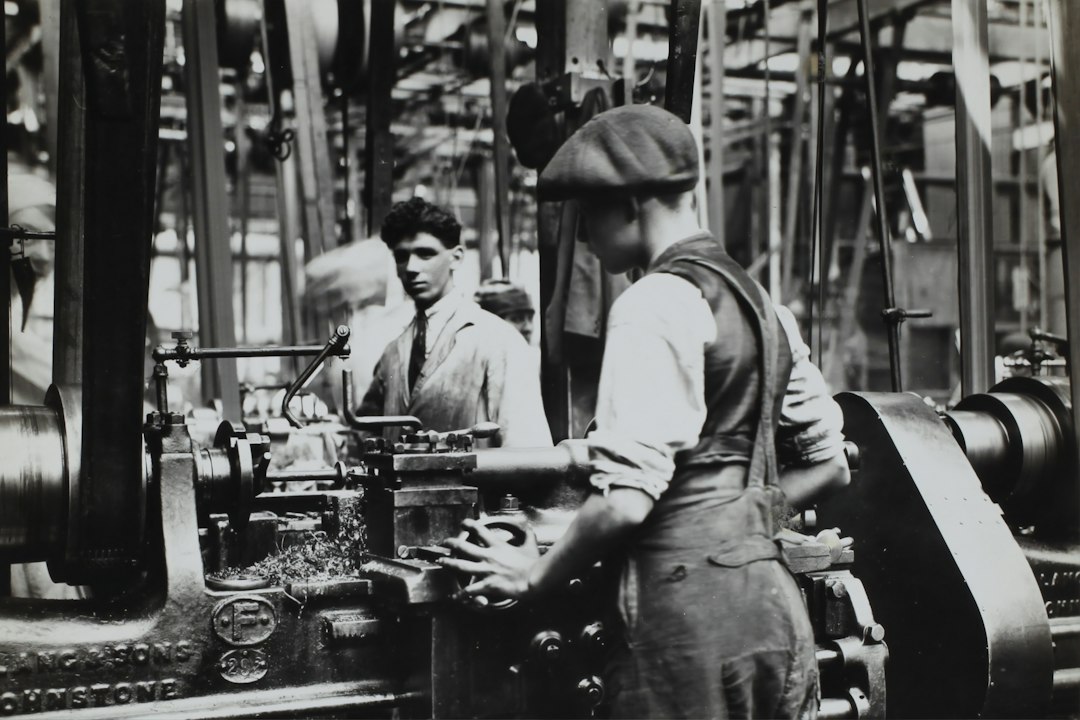
BFI describes the assembly-line bolt-tightening that the Tramp struggles to stop, and his passage through machinery. These are sourced descriptions, not newly observed details. Our reading is that the comic premise makes exhaustion visible without requiring a speech about productivity. The worker’s movement continues beyond the task, suggesting how a job can occupy attention even when its immediate demand has passed.
That is a more interesting idea than a general claim that technology is bad. A machine has a purpose, but a person also has needs that the system may fail to recognize. Comedy can make that mismatch legible: the body’s difficulty becomes the argument. The viewer is invited to notice who determines the pace and who must absorb the consequences.
Sound as an editorial choice
BFI notes that the film combines effects and voices with intertitles, and describes the Tramp’s improvised song using nonsensical words. Interpreted together, those choices suggest a film negotiating the sound era rather than simply ignoring it. A voice can communicate personality through rhythm and performance without offering an ordinary explanatory monologue.
For a contemporary viewer accustomed to constant dialogue, this form may require a different kind of attention. Look for changes in gesture, timing and repetition rather than waiting for a character to state the theme. That is a viewing suggestion, not an assertion that every moment has one fixed meaning.
Its appeal and its limits
Criterion frames the film around Depression-era class struggle and identifies Goddard’s character as central to the Tramp’s affections. Our interpretation is that companionship offers a counterweight to the impersonal setting. A person can become more than a unit of labor through the relationships a system does not measure.
The qualification is that broad physical comedy and sentimental identification will not suit every viewer. Someone seeking a detailed realist account of factory organization may find the allegorical approach too expansive. Someone interested in how an image can carry a social argument may find that very compression the main attraction. This analysis does not award a numerical score without a direct screening.
Watching and discussing responsibly
Criterion lists physical editions and a digital viewing route. Availability is territorial; a listing is not confirmation of streaming access in India. Check your region’s authorized catalogue before subscribing or paying. Do not assume an online upload is licensed because the film is old.
A useful discussion prompt is to compare efficiency with usefulness. When does a process that appears efficient stop serving the people inside it? Keep that as a question about the film’s design rather than treating a 1936 comedy as evidence for a present-day workplace statistic.
For more thoughtful film discussions, explore our research-based analysis of 12 Angry Men.
Sources checked 20 November 2026: BFI film record and commentary; Criterion edition and availability listing.
STAY CONNECTED
More from AditsBlogs, in your inbox
Get occasional updates on new guides, tools, games and creative posts.

