Disclosure: this post may contain affiliate links; AditsBlogs may earn a commission at no extra cost to you.
- How These Must-Read Books Were Chosen
- 10 Must-Read Books at a Glance
- 1. To Kill a Mockingbird by Harper Lee
- 2. 1984 by George Orwell
- 3. Pride and Prejudice by Jane Austen
- 4. The Great Gatsby by F. Scott Fitzgerald
- 5. The Catcher in the Rye by J.D. Salinger
- 6. Sapiens: A Brief History of Humankind by Yuval Noah Harari
- 7. The Alchemist by Paulo Coelho
- 8. The Book Thief by Markus Zusak
- 9. The Hobbit by J.R.R. Tolkien
- 10. Becoming by Michelle Obama
- Where to Start
- Related Book Guides
Must-read books do more than fill a reading list: they introduce ideas, characters and questions that stay useful long after the final page. This guide brings together 10 widely read classics, modern novels, history and memoir, with a quick explanation of who each book suits and why it remains worth your time.
The list is designed for readers who want a balanced starting point rather than ten books from one genre. It includes short entry points, deeper literary works and accessible nonfiction, so you can choose according to your mood and reading experience.
How These Must-Read Books Were Chosen
The selection balances cultural influence, readability, variety and the strength of each book’s central ideas. No reading list is universal, so treat this as a practical starting point and choose the titles that match your interests.
10 Must-Read Books at a Glance
| Book | Author | Type | Best for |
|---|---|---|---|
| To Kill a Mockingbird | Harper Lee | Classic fiction | Readers interested in justice, empathy and moral courage |
| 1984 | George Orwell | Dystopian fiction | Readers interested in power, surveillance and propaganda |
| Pride and Prejudice | Jane Austen | Classic romance | Readers who enjoy wit, character growth and social observation |
| The Great Gatsby | F. Scott Fitzgerald | Literary fiction | Readers interested in ambition, wealth and the American Dream |
| The Catcher in the Rye | J.D. Salinger | Coming-of-age fiction | Readers interested in adolescence, identity and alienation |
| Sapiens: A Brief History of Humankind | Yuval Noah Harari | Popular history | Readers who want a broad introduction to human history |
| The Alchemist | Paulo Coelho | Philosophical fiction | Readers seeking a short, motivational fable |
| The Book Thief | Markus Zusak | Historical fiction | Readers interested in wartime stories and the power of language |
| The Hobbit | J.R.R. Tolkien | Fantasy adventure | New fantasy readers and families reading together |
| Becoming | Michelle Obama | Memoir | Readers interested in public service, family and personal development |
1. To Kill a Mockingbird by Harper Lee
Told largely through Scout Finch’s childhood perspective, the novel examines prejudice, community pressure and the cost of doing what is right. Its accessible storytelling makes difficult social questions personal rather than abstract.
Best for: Readers interested in justice, empathy and moral courage.
Why read it: Read it for its memorable characters and its challenge to examine how fairness and empathy operate in everyday life.
2. 1984 by George Orwell
Orwell imagines a society where language, history and even private thought are controlled. The story remains useful because it shows how repeated messaging and manipulated information can narrow what people believe is possible.
Best for: Readers interested in power, surveillance and propaganda.
Why read it: Read it to think more critically about privacy, political language and the relationship between truth and power.
3. Pride and Prejudice by Jane Austen
Elizabeth Bennet and Mr. Darcy begin with strong assumptions about one another. Their evolving relationship gives Austen room to explore status, family expectations, self-knowledge and the errors people make when first impressions harden into certainty.
Best for: Readers who enjoy wit, character growth and social observation.
Why read it: Read it for sharp dialogue, an influential romance and a story in which personal growth matters as much as attraction.
4. The Great Gatsby by F. Scott Fitzgerald
Through narrator Nick Carraway, the novel follows Jay Gatsby’s attempt to recover an idealized past. Its glamorous parties sit beside loneliness, obsession and the unequal consequences of wealth.
Best for: Readers interested in ambition, wealth and the American Dream.
Why read it: Read it as a compact study of aspiration, image and the danger of turning another person into a symbol of success.
5. The Catcher in the Rye by J.D. Salinger
Holden Caulfield’s restless voice captures a young person trying to separate sincerity from performance. His judgments can be frustrating, but that tension is part of the book’s portrait of grief, confusion and the wish to protect innocence.
Best for: Readers interested in adolescence, identity and alienation.
Why read it: Read it for a distinctive narrator and a nuanced discussion of growing up without having all the answers.
6. Sapiens: A Brief History of Humankind by Yuval Noah Harari
Harari connects developments in culture, agriculture, economics and political organization into one large narrative. The book is best approached as a thought-provoking overview rather than the last word on every historical debate.
Best for: Readers who want a broad introduction to human history.
Why read it: Read it for the big questions it raises about shared beliefs, institutions and the choices that shaped modern societies.
7. The Alchemist by Paulo Coelho
A young shepherd follows a dream that takes him far from home and forces him to reconsider what he values. The simple, symbolic style explains why the book is often recommended to readers at a turning point.
Best for: Readers seeking a short, motivational fable.
Why read it: Read it if you enjoy concise stories about purpose, persistence and learning from the journey as much as the destination.
8. The Book Thief by Markus Zusak
Set in Nazi Germany and narrated in an unusual voice, the novel follows Liesel Meminger as books become a source of comfort, connection and resistance. Its focus stays close to ordinary people living under extraordinary pressure.
Best for: Readers interested in wartime stories and the power of language.
Why read it: Read it for an emotional story about words, friendship and small acts of humanity during a brutal period.
9. The Hobbit by J.R.R. Tolkien
Bilbo Baggins leaves a comfortable home for a journey involving dwarves, riddles, danger and unexpected courage. The adventure is approachable on its own while also opening the door to Tolkien’s larger world.
Best for: New fantasy readers and families reading together.
Why read it: Read it for imaginative world-building, warmth and a hero whose resourcefulness matters more than physical power.
10. Becoming by Michelle Obama
Obama traces her life from childhood in Chicago through education, career, family and years in the White House. The memoir gives attention to the work and compromises behind a public life, not only its visible milestones.
Best for: Readers interested in public service, family and personal development.
Why read it: Read it for a reflective account of ambition, identity and staying grounded while circumstances change.
Where to Start
For a short and accessible first choice, try The Alchemist or The Hobbit. Choose 1984 or To Kill a Mockingbird if you want a novel built around a major social question. Pick Sapiens or Becoming when you prefer nonfiction.
A useful reading list is one you will actually follow. Start with a single title, note the ideas or passages that make you pause, and decide what to read next based on what you enjoyed—not on pressure to finish every famous book.
Related Book Guides
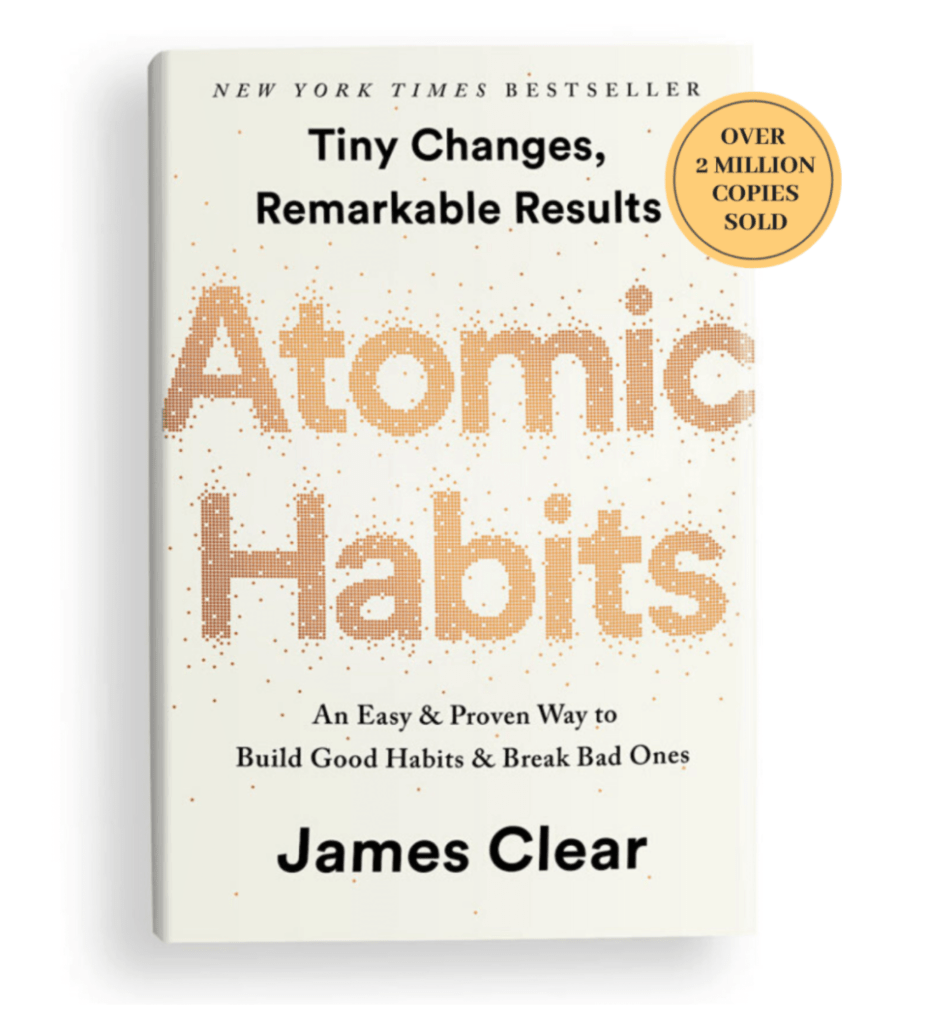
- Atomic Habits review and practical takeaways
- Best books I read last year
- Explore Freedom – The Power of Advanced Thinking (affiliate link)
Affiliate note: If you buy through an eligible affiliate link, AditsBlogs may earn a commission at no extra cost to you. Recommendations and editorial opinions remain independent.