
If you rewind the clock by two decades, being an anime fan in the West often meant trading bootleg VHS tapes, scouring obscure internet forums for fan-translated subtitles, and enduring the collective side-eye of mainstream pop culture. Fast forward to today, and the landscape is unrecognizable. Megastars like Megan Thee Stallion regularly cosplay as their favorite heroes, high-end fashion houses like Loewe launch exclusive Studio Ghibli collections, and major Hollywood actors cite Japanese animation as their primary creative inspiration.
- The Evolution of Japanese Animation: A Brief History
- The Post-War Pioneers and the “God of Manga”
- The Golden Age of OVA and the Cyberpunk Boom (1980s)
- The International Breakthrough (1990s – 2000s)
- The Modern Streaming Era (2010s – Present)
- Decoding the Demographics and Genres
- The Power of Genres and Subcultures
- The Economic Juggernaut: By the Numbers
- The Great Flip: Overseas vs. Domestic Revenue
- Why Anime Resonates So Deeply
- The Essential Gateway Watchlist
- For the Thriller and True Crime Fan: Death Note
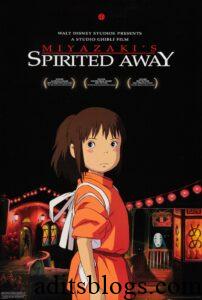
- For the Cinematic Masterpiece Seeker: Spirited Away
- For the Dark Fantasy Enthusiast: Attack on Titan
- For the Wholesome Comedy Lover: Spy x Family
- Conclusion: A Medium Without Limits
- 📧 Get New Posts by Email
Anime is no longer a niche subculture; it is the beating heart of global entertainment.
But what exactly is anime? While the term simply means “animation” in Japan, encompassing all animated works regardless of origin, the rest of the world uses the word specifically to describe animation originating from Japan. It is crucial to understand that anime is not a genre. It is a sprawling, limitless medium. Just as live-action television can encompass everything from gritty true-crime documentaries to slapstick sitcoms, anime spans every conceivable narrative style, emotional tone, and demographic target.
SEMrush – SEO & marketing toolkit
All‑in‑one platform for keyword ideas, competitor research, basic site audits, and simple tracking of your search visibility.
Amazon – creator & work gear
Browse laptops, microphones, lighting, and other basic tools that can support blogging, recording, or work‑from‑home setups.
Some links above are affiliate links. If you choose to purchase through them, it can support this site at no extra cost to you.
In this comprehensive guide, we are going to unpack the fascinating history of Japanese animation, decode its unique classification system, analyze the staggering economic data driving its current global dominance, and explore exactly why these beautifully drawn stories have captured the hearts of millions across the globe.
The Evolution of Japanese Animation: A Brief History
To understand the current anime boom, we have to look back at the medium’s humble, yet deeply innovative, beginnings. The journey from black-and-white television broadcasts to global theatrical domination is a testament to the resilience and creativity of Japanese animators.
The Post-War Pioneers and the “God of Manga”
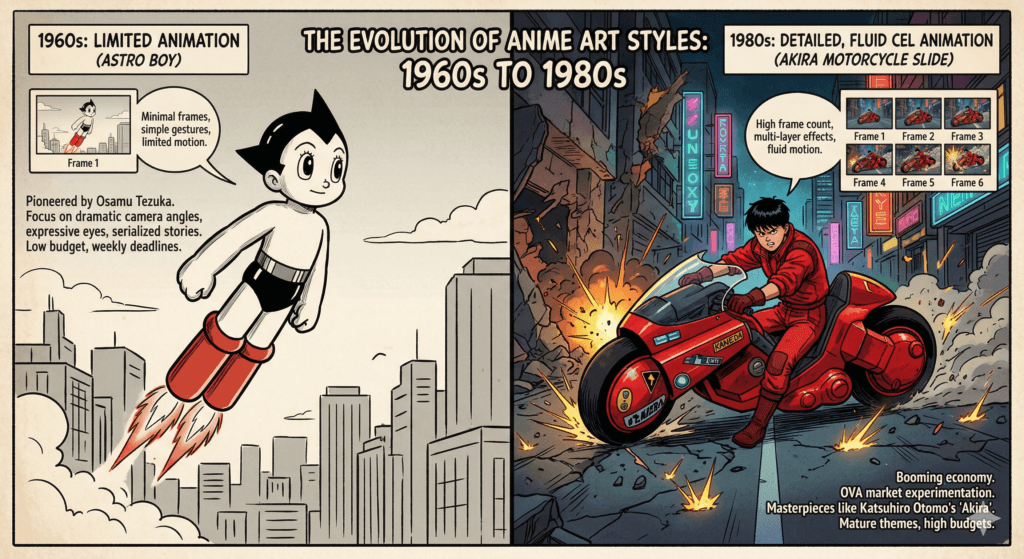
While early forms of Japanese animation existed in the early 20th century, the modern anime industry was truly born in the post-WWII era, spearheaded by the legendary Osamu Tezuka. Often referred to as the “God of Manga” and the “Walt Disney of Japan,” Tezuka adapted his hit manga Astro Boy (Tetsuwan Atom) into a television series in 1963.
Faced with incredibly tight budgets and grueling weekly deadlines, Tezuka pioneered the technique of “limited animation.” Unlike traditional Western animation, which often drew every single frame to create fluid motion, Japanese studios learned to use fewer drawings per second. They compensated for this by focusing on dramatic camera angles, highly expressive character designs (including the now-iconic large eyes, which Tezuka borrowed from Betty Boop and Disney), and deeply compelling serialized storytelling.
The Golden Age of OVA and the Cyberpunk Boom (1980s)
As Japan’s economy boomed in the 1980s, so did the budgets for animation. This era birthed the OVA (Original Video Animation) market—direct-to-video releases that bypassed television censorship and broadcast constraints. This allowed creators to experiment with darker themes, extreme violence, and incredibly detailed, fluid animation.
This decade culminated in the release of Katsuhiro Otomo’s masterpiece, Akira (1988). With its groundbreaking cyberpunk aesthetic, painstakingly hand-drawn neo-Tokyo backdrops, and mature thematic elements, Akira shattered the Western misconception that animation was strictly for children. It became a cult phenomenon and paved the way for future sci-fi epics.
The International Breakthrough (1990s – 2000s)
The 1990s marked the moment anime truly began to cross international borders en masse. In the United States, programming blocks like Cartoon Network’s Toonami introduced a generation of latchkey kids to heavily localized, yet undeniably thrilling, shows.
- Dragon Ball Z redefined action choreography and pacing.
- Sailor Moon proved that female-led superhero narratives could be global juggernauts.
- Pokémon launched a multimedia empire that remains the highest-grossing media franchise in human history.
Meanwhile, visionary directors like Shinichiro Watanabe (Cowboy Bebop) and Hideaki Anno (Neon Genesis Evangelion) were pushing the boundaries of what the medium could achieve artistically and psychologically.
The Modern Streaming Era (2010s – Present)
Today, we are in the era of high-fidelity, cinematic television. Thanks to the global reach of streaming platforms, the gap between a show airing in Tokyo and being subtitled for a viewer in Toronto is mere hours. Studios like Ufotable (Demon Slayer), MAPPA (Jujutsu Kaisen), and Kyoto Animation (Violet Evergarden) are producing weekly television episodes that rival the visual fidelity of major Hollywood blockbusters, blending traditional 2D animation with seamless 3D CGI enhancements.
Decoding the Demographics and Genres
One of the most intimidating aspects of anime for newcomers is its highly specific categorization system. Unlike Western media, which usually categorizes by genre first, the anime and manga industry primarily categorizes its titles by target demographic.
Once you understand these four main pillars, navigating the anime landscape becomes significantly easier. You can explore these further on databases like Anime News Network.
| Demographic | Target Audience | Common Themes & Tropes | Iconic Examples |
| Shonen | Young Males (12-18) | Underdog protagonists, the power of friendship, intense training arcs, tournament battles. | Naruto, One Piece, My Hero Academia |
| Shojo | Young Females (12-18) | First love, emotional growth, magical girl transformations, intricate relationships. | Fruits Basket, Sailor Moon |
| Seinen | Adult Males (18-40+) | Complex morality, psychological thrillers, extreme violence, political intrigue. | Berserk, Vinland Saga, Monster |
| Josei | Adult Females (18-40+) | Realistic romance, workplace drama, slice-of-life struggles, motherhood. | Nana, Chihayafuru, Princess Jellyfish |
The Power of Genres and Subcultures
Beyond these demographics, anime boasts a rich tapestry of specific genres. Some of the most dominant include:
- Isekai (Another World): Currently the most ubiquitous trend in the industry. These stories involve an ordinary person from Earth being transported or reincarnated in a fantasy universe.
- Mecha: A cornerstone of Japanese pop culture focusing on giant, pilotable robots. While shows like Mobile Suit Gundam feature incredible robot battles, they are fundamentally anti-war narratives.
- Slice of Life: For every high-octane battle series, there is a serene, grounding anime. These shows romanticize the mundane aspects of daily living, providing viewers with profound comfort.
The Economic Juggernaut: By the Numbers
To truly grasp how massive anime has become, we must look at the financial data. The anime industry is no longer a localized cultural export; it is a multi-billion-dollar pillar of the global entertainment economy.
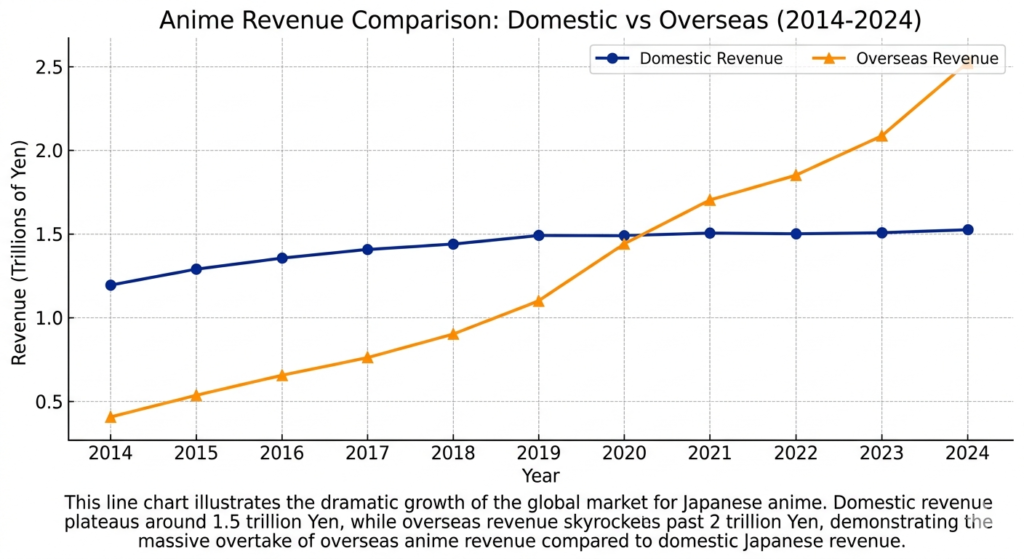
According to the comprehensive Anime Industry Report released by the Association of Japanese Animations (AJA), the financial growth of the medium over the last decade has been nothing short of explosive.
The Great Flip: Overseas vs. Domestic Revenue
The most critical takeaway from recent industry data is the permanent shift in where anime makes its money. Historically, Japanese studios created anime strictly for a domestic audience. That paradigm has shattered. Today, international revenue far outpaces domestic Japanese earnings. This shift is driven by three primary engines:
- The Streaming Wars: The aggressive global expansion of dedicated platforms like Crunchyroll and Netflix’s massive investments in the medium have entirely dismantled the barrier to entry. Simulcasting has eradicated piracy’s primary driver and turned global fandoms into synchronized, paying audiences.
- The Merchandising Machine: An anime is rarely just a show; it is an advertisement for manga, mobile games, and physical merchandise. Fans are buying premium scale figures from companies like Good Smile Company, building Gunpla from Bandai, and wearing officially licensed streetwear.
- Event Cinema: Theatrical anime releases have proven to be box office gold. Films like Demon Slayer: Mugen Train and Makoto Shinkai’s Suzume routinely beat Hollywood blockbusters at the global box office.
Why Anime Resonates So Deeply
If you strip away the massive marketing budgets and the streaming algorithms, the core question remains: why do people across wildly different cultures connect so deeply with Japanese animation?
1. Uncompromising, Serialized Storytelling
Anime, drawing directly from serialized manga chapters, tells long-form, overarching narratives. Characters age, experience trauma, suffer permanent consequences, and undergo profound development.
2. The Mastery of Sakuga
In the anime community, sakuga refers to moments of exceptionally high-quality, fluid animation. Because anime utilizes limited animation for dialogue, studios save their budget for crucial moments of action or intense emotion, resulting in breathtaking sequences.
3. Unflinching Exploration of Adult Themes
Anime rarely talks down to its audience. Even shows aimed at teenagers frequently tackle complex themes like the morality of war, the weight of grief, and systemic corruption.
4. The Audio Experience: Seiyuu and Soundtracks
Voice acting in Japan is a highly respected celebrity industry. Japanese voice actors (seiyuu) deliver performances of unparalleled raw emotion. Coupled with this is the music; anime opening and ending themes (OPs and EDs) regularly top the global Billboard charts.
The Essential Gateway Watchlist
If you have never watched a frame of anime in your life, plunging into a massive 1000-episode series might be intimidating. Instead, start your journey with these highly accessible masterpieces.
For the Thriller and True Crime Fan: Death Note
A brilliant high school student discovers a supernatural notebook dropped by a god of death. What begins as a quest to rid the world of criminals quickly devolves into a high-stakes, cat-and-mouse psychological thriller.
For the Cinematic Masterpiece Seeker: Spirited Away
Directed by the legendary Hayao Miyazaki of Studio Ghibli, this film is the only hand-drawn, non-English language movie to ever win the Academy Award for Best Animated Feature. It is a stunning, surreal journey that will leave you breathless.
For the Dark Fantasy Enthusiast: Attack on Titan
Humanity lives confined within massive walls to protect themselves from man-eating humanoid monsters. When the outermost wall is breached, it kicks off a violent, twist-filled narrative that constantly redefines who the real villains are.
For the Wholesome Comedy Lover: Spy x Family
A master spy needs a fake family for an undercover mission. Unbeknownst to him, his fake wife is a deadly assassin, and his adopted daughter is a telepath. It is a brilliant blend of domestic sitcom and Cold War espionage.
Conclusion: A Medium Without Limits
The globalization of anime is not a passing trend; it is a permanent cultural shift. As the industry continues to shatter revenue records, the line between “Japanese animation” and “global pop culture” will continue to blur. Anime proves that animation is not a genre meant solely to distract children on a Saturday morning. It is a limitless canvas capable of telling the most profound, exciting, and emotionally resonant stories humanity has to offer. All you have to do is press play.

About Aditya Singh
I write content on Blogging, Digital Marketing, Tech, and Life- skills. I also write Poetry and Short-Stories in my free time.
Related products on Amazon
Suggestions loosely based on this article
Affiliate note: Some links below are affiliate links. If you choose to buy through them, it can support this site at no extra cost to you.


Product details and prices are taken from Amazon pages and can change over time.