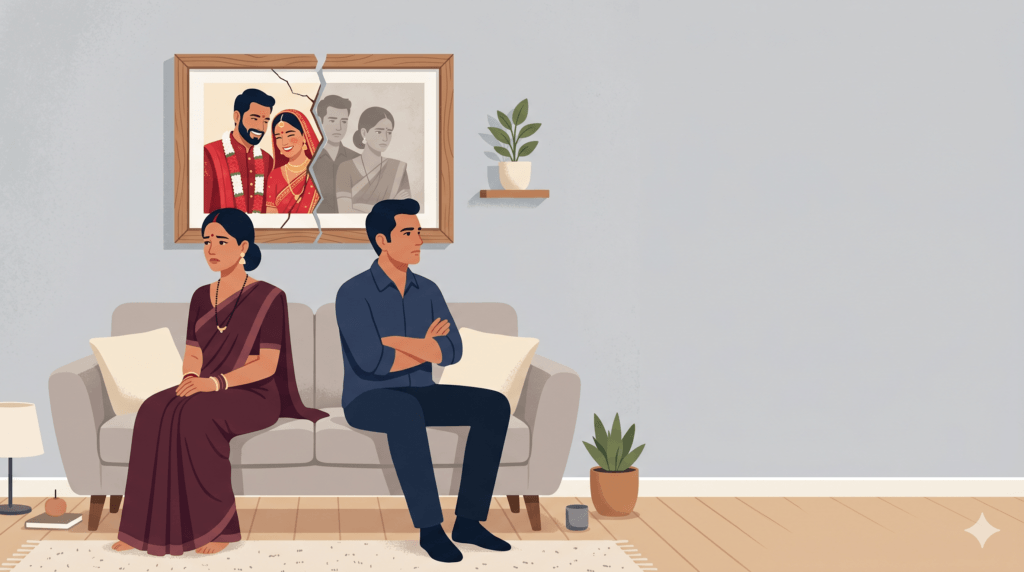
Marriage used to be seen as the final destination of a successful love story—especially in a country like India, where choosing your own partner was once considered bold and modern. Yet today, a surprising pattern is emerging: even love marriages, which start with affection, choice, and emotional connection, are increasingly ending in divorce.
- The New Reality of Marriage in India
- Why Love Marriages Are Breaking Down
- 1. The Illusion of Compatibility
- 2. Emotion Without Long‑Term Commitment Skills
- 3. Less Family Support, More Isolation
- 4. Unrealistic Expectations from Romance
- 5. Communication Breakdown
- 6. Pressures Unique to Love Marriages
- 7. The Early Years Are the Most Fragile
- What Works in Dating But Fails in Marriage
- 1. Selective Interaction vs Full‑Time Reality
- 2. Attraction vs Responsibility
- 3. Freedom vs Accountability
- 4. Conflict Avoidance vs Conflict Resolution
- How Society Is Reshaping Marriage
- 1. Individualism Over Collectivism
- 2. Economic Independence and Changing Gender Roles
- 3. Social Media and “Comparison Culture”
- The Psychological Cost of Divorce
- Where Is This Trend Heading?
- 1. Marriage Becoming Optional
- 2. Higher Expectations from Partners
- 3. The Rise of “Exit Culture”
- 4. Redefining What a “Successful” Marriage Means
- Can This Trend Be Changed?
- 1. Premarital Counseling and Hard Conversations
- 2. Learning Communication and Conflict Skills
- 3. Resetting Expectations About Romance
- 4. Integrating Families Without Losing Boundaries
- Closing Perspective
If love was strong enough to bring two people together, why isn’t it strong enough to keep them together? This article dives into that question using research, real‑world patterns, and sociological insights—especially in the Indian context—while also exploring what worked in dating but fails inside a marriage.
The New Reality of Marriage in India
For decades in India, arranged marriages dominated: families chose partners, communities reinforced the bond, and divorce remained rare and stigmatized. Even today, data suggests that arranged marriages still report a relatively low divorce rate—often around 1–2%—while love marriages are estimated to have far higher divorce rates, sometimes in the 20–30% range.
But those numbers don’t tell the whole story. India is changing fast:
- Urbanization and higher education are reshaping how people meet and marry.whiteblacklegal
- Women’s financial independence is growing, which reduces their dependence on marriage for survival.whiteblacklegal
- Social stigma around divorce, though still strong, is slowly weakening in cities.whiteblacklegal
One population‑level study highlights that many recent divorce petitions in India are now originating from love marriages rather than arranged ones, especially in states like West Bengal. In other words, love is getting people to the mandap—but it isn’t always keeping them together afterward.
Why Love Marriages Are Breaking Down
1. The Illusion of Compatibility
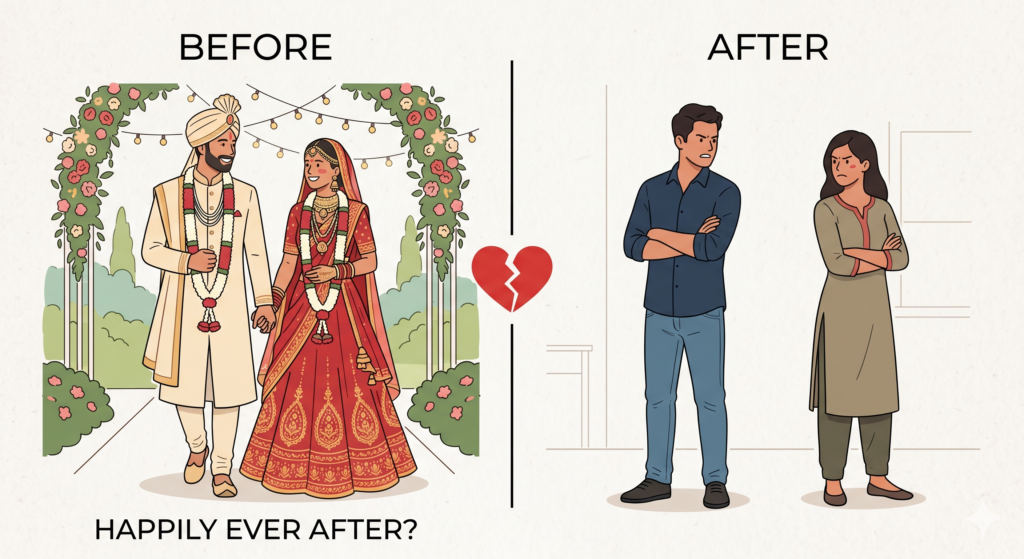
During dating, most couples live in a version of reality where everyone is on their best behavior. Psychologists call it the “honeymoon phase”: differences are minimized, red flags are ignored, and similarities are romanticized. Qualitative research from West Bengal finds that once couples marry, deep incompatibilities around habits, values, and lifestyle choices often come to the surface.
In dating, you see each other in focused, curated moments—coffee dates, movies, late‑night calls. In marriage, you see each other in every mood: tired, stressed, broke, hungry, angry, and overwhelmed. What once felt like perfect compatibility can suddenly feel shallow when tested by mortgages, in‑laws, and shared responsibilities.
2. Emotion Without Long‑Term Commitment Skills
A landmark study on divorce identified lack of commitment as one of the top reasons marriages end, alongside infidelity and constant conflict. Love marriages are often built on emotional intensity and attraction, but they don’t always include serious discussions about long‑term goals, roles, finances, or conflict styles.
So when the first big challenges hit—job loss, health issues, family disputes—many couples discover:
- Emotion doesn’t automatically equal resilience.
- Passion doesn’t guarantee problem‑solving skills.
- “We love each other” can quickly turn into “we don’t know how to handle this together.”
As divorce becomes a more socially acceptable option in urban India, the mindset quietly shifts from “we must adjust” to “we can exit.
3. Less Family Support, More Isolation
One of the biggest differences between arranged and love marriages in India is the role of the family. Arranged couples often benefit from strong family involvement—parents act as mediators, extended family encourages compromise, and social pressure pushes people to stay and “make it work.”
In love marriages, the story is often the opposite. Studies show that couples who marry for love may face:
- Limited support or outright resistance from families.
- Pressure on the woman to quit her job or adjust to new households.
- Pressure on the man to choose between parents and spouse.
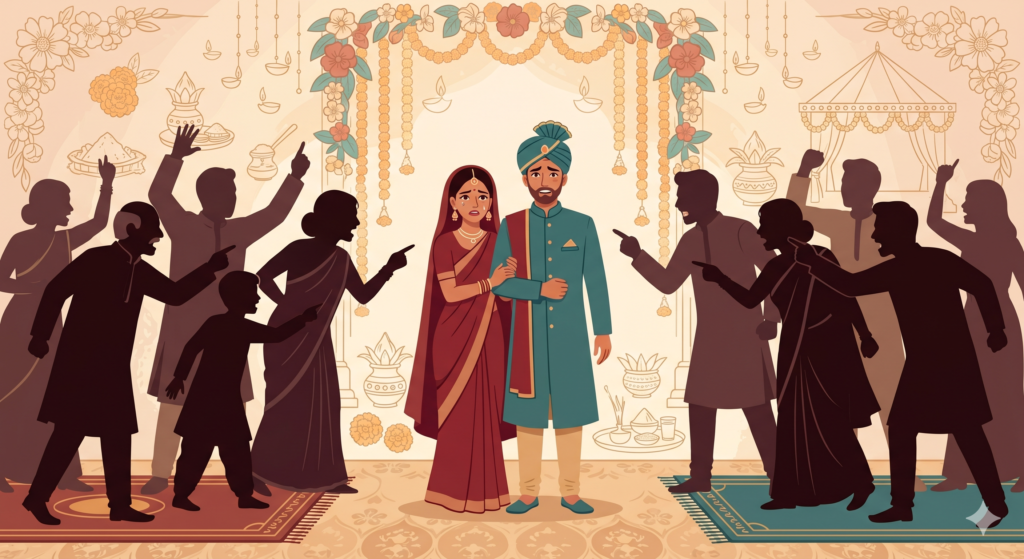
A qualitative study focusing on West Bengal clearly highlighted issues like in‑law interference, lack of acceptance, and culture clashes as major contributors to divorce in love marriages. Instead of being surrounded by a support system, many couples feel like they are fighting both the world and each other.
4. Unrealistic Expectations from Romance
Movies, social media, and popular culture sell a glamorous version of love: constant excitement, grand gestures, and partners who are always emotionally available and perfectly understanding. Dating fits that script to some extent: you meet occasionally, dress your best, and mostly share good moments.
Marriage, however, is built on a lot of unglamorous work:
- Paying bills on time.
- Managing chores and careers.
- Handling children, illnesses, and aging parents.
Divorce lawyers and relationship experts repeatedly point out that many marriages crack not because of one big betrayal, but because couples stop prioritizing the relationship amid work, kids, and lifestyle pressures. When daily life fails to match the Instagram version of love, disappointment and resentment pile up quietly.
5. Communication Breakdown
During dating, communication is mostly about connection: late‑night talks, compliments, future fantasies. After marriage, communication shifts to logistics: rent, groceries, tasks, responsibilities. Research consistently finds that when couples don’t know how to express feelings, listen actively, or resolve disagreements, small misunderstandings turn into chronic resentment.
Experts note that better communication and conflict‑management skills could save many marriages, yet most couples never receive any practical training in these skills. Instead, they either avoid conflicts (to keep the peace) or fight badly (to win), both of which damage the relationship over time.
6. Pressures Unique to Love Marriages
Love marriages in India often carry a hidden cost that doesn’t exist during dating: social judgment. When couples defy caste, religion, or community norms, they may face subtle or overt hostility from families and society.
Recent studies in the Indian context highlight several recurring issues:
- Women being expected to sacrifice careers or move away from support networks.
- Men being forced to choose between independent nuclear living and joint family expectations.
- Clashes over rituals, festivals, parenting styles, and money management.
These stresses rarely show up while you are just dating—but they hit hard after marriage and can accelerate the path to divorce.
7. The Early Years Are the Most Fragile
Multiple data points indicate that a large share of divorces happen in the first few years of marriage—often within 1–4 years—when couples are still adjusting from dating to living together full‑time. This is also when legal frameworks in India start to allow divorce petitions after a minimum one‑year duration of marriage.
This period is where:
- Idealized images of the partner are replaced by day‑to‑day reality.
- Financial responsibilities and family expectations peak.
- Couples either build new shared habits or fall into patterns of criticism and withdrawal.
If the transition is handled poorly, the relationship often collapses before it has a chance to mature.
What Works in Dating But Fails in Marriage
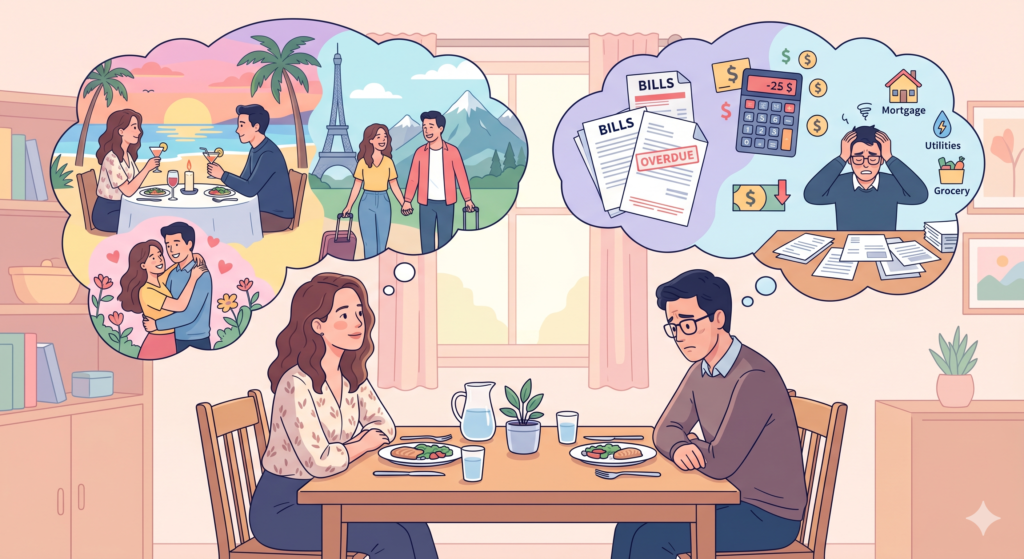
A core theme behind many failed love marriages is this: the skills that make you great at dating are not the same skills that make you great at marriage.
1. Selective Interaction vs Full‑Time Reality
In dating, you pick the best parts of each other’s lives—weekend outings, fun events, romantic moments. In marriage, your partner is no longer a “break from life” but part of your entire life, including stress, fatigue, and personal flaws.
This shift from “highlight reel” to “full documentary” can be jarring. Some couples realize they never truly saw each other’s anger style, work ethic, or coping mechanisms while they were just meeting occasionally.
2. Attraction vs Responsibility
Dating thrives on chemistry, excitement, and emotional connection. Marriage adds layers like:
- Budgeting and saving.
- Running a home.
- Caring for children or elders.
Love can light the fire, but daily responsibility keeps the house warm. When one partner feels the other is irresponsible or not contributing equally, attraction alone cannot compensate for the sense of unfairness and overload.
3. Freedom vs Accountability
While dating, both partners usually have high personal freedom—they keep their schedules, friendships, and priorities largely independent. Marriage, especially in traditional societies, expects more shared decision‑making and accountability around time, money, and life choices.
If couples don’t openly renegotiate boundaries—Who handles what? How much family involvement? How much personal space is okay?—they often swing between two extremes: total fusion or total rebellion.
4. Conflict Avoidance vs Conflict Resolution
Many people proudly say, “We never fought before marriage,” but that’s often because they unconsciously avoided serious topics to maintain harmony. In marriage, you cannot avoid core issues forever: children, in‑laws, money, careers, relocation.
Avoidance works in short‑term dating; it fails in long‑term marriage. Healthy marriages don’t avoid conflict—they learn to argue well, repair quickly, and grow from disagreements instead of letting them rot beneath the surface.
How Society Is Reshaping Marriage
1. Individualism Over Collectivism
Modern culture places a premium on personal happiness, self‑growth, and emotional fulfillment. Earlier generations often stayed in unhappy marriages because family reputation, financial dependence, or social pressure left them with no choice.wikipedia+1
Today, more people see divorce as a valid option rather than a personal failure. If a marriage consistently damages mental health or blocks growth, leaving can feel like self‑preservation rather than rebellion.
2. Economic Independence and Changing Gender Roles
As more women work, earn, and own assets, they gain the economic freedom to leave abusive or deeply unhappy marriages. Simultaneously, traditional roles—man as sole provider, woman as full‑time homemaker—are breaking down.
But when both partners work and old role scripts are gone, many couples never clearly define new ones. This often leads to:
- Unequal emotional and domestic labor.
- Power struggles over decision‑making.
- Confusion and resentment over “who should do what.”
3. Social Media and “Comparison Culture”
Social media exposes us to carefully curated snapshots of other people’s relationships: anniversaries, vacations, gifts, and grand declarations. Rarely do we see the conflicts, compromises, and quiet disappointments behind those posts.
This “comparison culture” can make normal relationships feel inadequate. It also makes emotional and physical infidelity more accessible through online connections. When a marriage already feels fragile, one “better” option in the DMs can become the final trigger.
The Psychological Cost of Divorce
Divorce is not just a legal event; it’s a psychological earthquake. Studies show that divorced individuals often report higher levels of distress, loneliness, and depressive symptoms, especially in the early stages after separation. For many, it disrupts identity, finances, and social circles all at once.researchtrend+1
Children growing up in high‑conflict or broken homes may face academic difficulties, behavioral issues, or emotional insecurity, particularly if they witness ongoing parental conflict. Yet, many experts also stress that constantly witnessing toxic fights can be more damaging than a well‑handled separation, which is why some couples choose divorce despite the pain it brings.
Where Is This Trend Heading?
1. Marriage Becoming Optional
Younger generations are increasingly delaying or rethinking marriage altogether. Many choose to:
- Focus first on careers and self‑development.
- Opt for live‑in relationships or long‑term dating without legal marriage.
- Question the idea that everyone must eventually marry.wikipedia+1
This doesn’t mean love is dying; it means the institution of marriage is losing its automatic, default status in many urban, educated circles.
2. Higher Expectations from Partners
People today expect their partners to be more than just good providers or good homemakers. They want:
- Emotional compatibility.
- Intellectual connection.
- Shared values and life vision.
- Support for personal growth.
In short, marriage is shifting from a survival contract to a fulfillment partnership. When this level of expectation meets poor communication and low relationship skills, disappointment can quickly turn into separation.
3. The Rise of “Exit Culture”
Historically, couples tried for years to fix relationships before even thinking about separation. Now, with legal access, counseling awareness, and changing norms, more people are willing to leave sooner rather than endure long‑term unhappiness.
This “exit culture” has both sides: it protects people from lifelong misery, but it can also tempt couples to give up before they have really tried to build new skills and patterns together.
4. Redefining What a “Successful” Marriage Means
Success in marriage is no longer measured only by “Did they stay together till death?” Instead, more people are asking:
- Are we both emotionally healthy?
- Do we respect each other?
- Are we both growing, not shrinking, in this relationship?
A shorter marriage that preserves dignity and mental health may be seen as “more successful” than a long, bitter one held together only by fear or social pressure.
Can This Trend Be Changed?
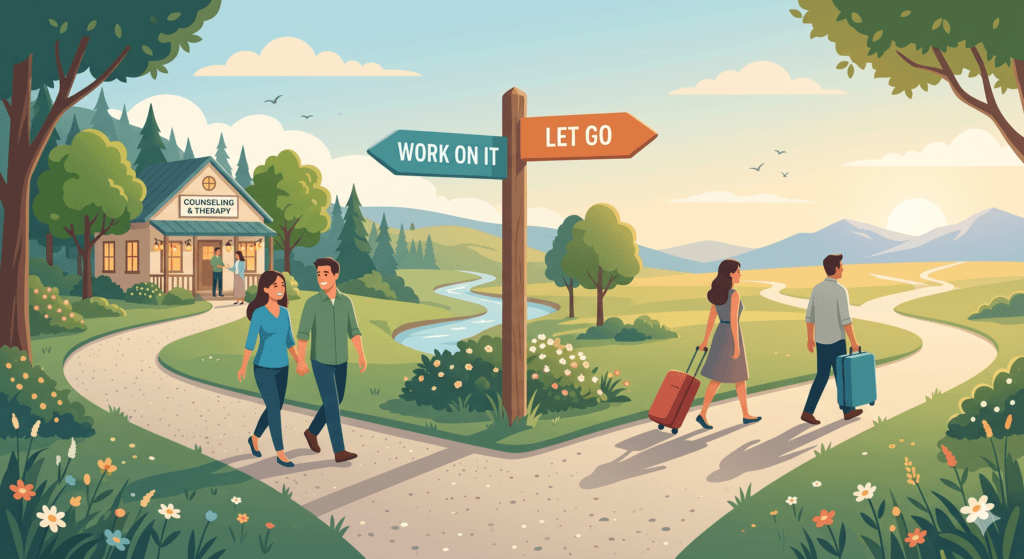
We probably cannot go back to the days when divorce was almost impossible and people stayed married mainly because they had no choice. But we can make modern love marriages more resilient by shifting from “falling in love” to “building love.”
1. Premarital Counseling and Hard Conversations
Before marriage, couples can benefit from structured conversations around:
- Values and non‑negotiables.
- Financial management and career plans.
- Family boundaries and living arrangements.
- Views on children, religion, and lifestyle.
Premarital counseling is still rare in India but research and clinical experience suggest it can help couples spot potential flashpoints early and set realistic expectations.
2. Learning Communication and Conflict Skills
Healthy communication is not “natural”; it is a skill. Couples who practice:
- Active listening.
- Using “I feel” instead of “You always.”
- Taking breaks during heated arguments and returning to resolve them.
tend to handle inevitable conflicts without destroying connection. Even a short course or a few sessions with a relationship counselor can dramatically change how partners fight, repair, and forgive.
3. Resetting Expectations About Romance
Marriage is not permanent honeymoon mode. Some seasons will feel romantic and effortless; others will feel dry, stressful, and repetitive. Accepting this as part of the journey reduces the pressure to “feel in love” every single day.
The focus shifts from chasing constant excitement to practicing daily micro‑acts of care: small check‑ins, appreciation, physical affection, and shared rituals like eating together without screens.
4. Integrating Families Without Losing Boundaries
For couples in India, building a realistic plan for family involvement is crucial:
- How much influence will parents have on decisions?
- Will you live in a joint or nuclear setup?
- How will you handle interference while maintaining respect?epc2024.eaps+1
Healthy marriages find a middle path where family is included but not allowed to control the couple’s inner bond.
Closing Perspective
The rise in divorce among love marriages is not proof that love is failing. It is proof that modern love is operating in a more complex world—one where emotional attraction must coexist with financial stress, changing gender roles, family dynamics, and mental‑health awareness.
Dating builds connection; marriage demands commitment, skills, and conscious effort. Romance and emotional bonding are a beautiful beginning, but without deeper foundations—shared values, communication, resilience—even the strongest love can fade under pressure. The future of marriage is not necessarily bleak, but it is different. It asks us to move from simply finding the right person to learning how to be the right partner, every day.